Pain
A treatment plan built around your pain, from a medicine that has treated it for thousands of years.
Acupuncture has been used to treat pain for thousands of years. We work with headaches, back and neck pain, sciatica, pain in the shoulders, elbows, hips, and knees, dental and menstrual pain, and recovery after an injury or surgery. Many patients find that as pain eases, mood and energy improve with it, and everyday activities become easier again.
Dr. Susan G. Schiff, A.P., DOM, has practiced in South Florida for more than 25 years. Your plan depends on the kind of pain you are in, so the first visit begins with understanding it.
Reviewed by Dr. Susan G. Schiff, A.P., DOM. Last reviewed October 2026.
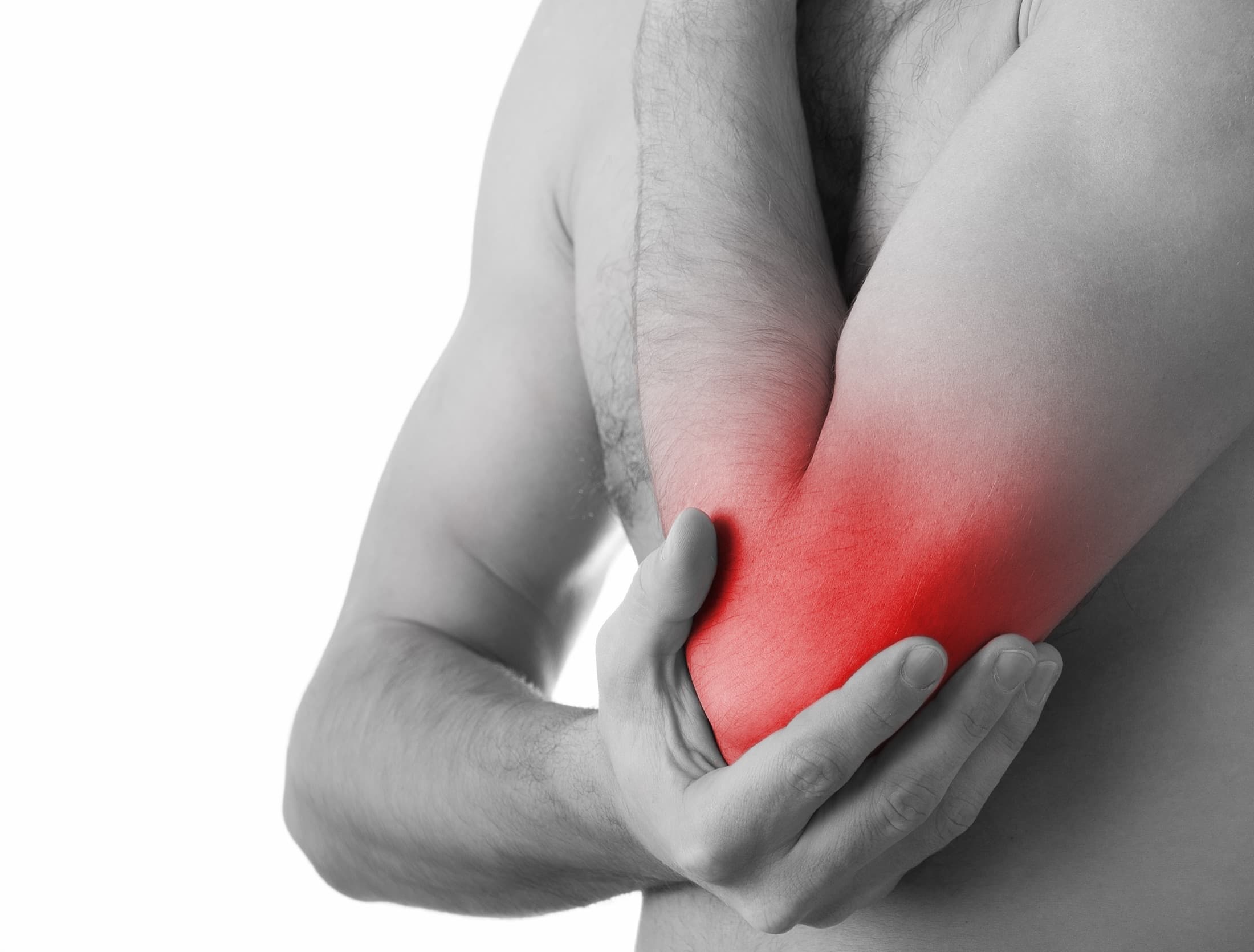
How Acupuncture
Relieves Pain
Acupuncture practitioners recognize a vital energy, called Qi (pronounced “chee”), circulating within the body. Qi flows through a series of pathways called meridians, which are linked to specific internal organs and organ systems.
Meridians are like rivers. Wherever a river flows, it brings water that nourishes the land, the plants, and the people around it. In the same way, meridians carry Qi that nourishes every cell, tissue, muscle, organ, and gland in the body.
Qi needs to flow freely. Think of water running through a garden hose: a kinked hose will not deliver enough water to a plant, and in time the plant cannot thrive. A blockage in the flow of Qi anywhere in the body limits the nourishment that reaches the tissues it serves.
Under normal circumstances the body returns to good health on its own. When the disruption is prolonged or excessive, or the body is in a weakened state, the flow of Qi becomes restricted and symptoms may arise. Pain is one of them. According to acupuncture theory, stimulating appropriate points along the affected meridians helps release and regulate that flow.
The aim is to restore that flow, so the body has the chance to return to the state it is in under normal circumstances.
Stress, cluster, and migraine headaches are among the headaches we work with. We look at the pattern behind the headache, not only the head.
Back pain, neck and shoulder pain, and arthritis are among the conditions acupuncture is used for. Treatment is directed at the meridians that pass through the painful area.
Elbow, hip, and knee pain, sprained ankles and knees, and pain along the arms and legs are approached the same way: by finding where the flow of Qi is restricted.
Acupuncture is often used to support recovery from trauma and from surgical pain. Chinese herbal medicine may be added when it suits the case.
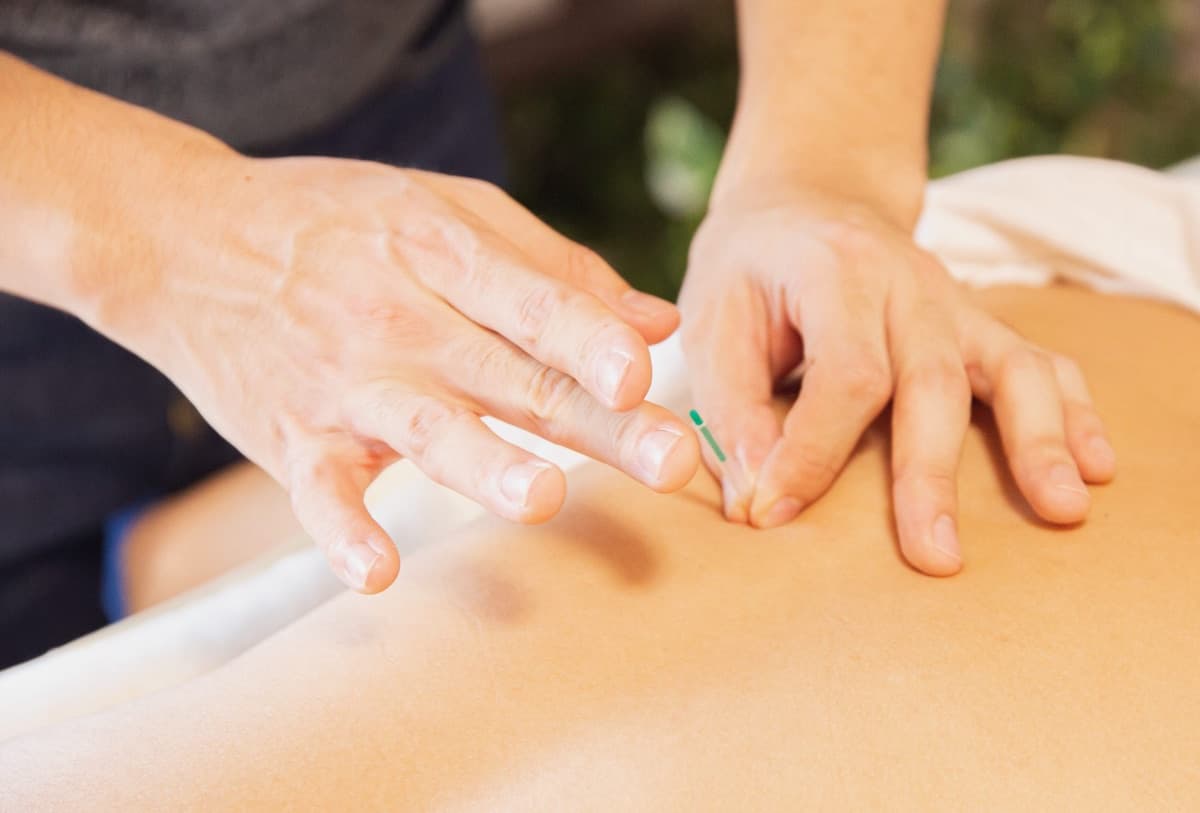
We treat pain as a sign that the body’s flow has been interrupted somewhere, and we start there.
Dr. Schiff has treated each of these presentations for over 20 years. Whether your pain is recent or long-standing, the first visit is about understanding what kind of pain it is. The plan follows from that.
Headaches and migraines
Stress, cluster, and migraine headaches, read by the pattern behind them: where the pain sits, what sets it off, and what else is out of balance.
Low back pain and sciatica
Sciatica is read by the path the pain travels down the leg, which tells us which meridian it follows and where along it the flow is restricted.
Neck pain
Neck pain is read by whether it stays put or spreads into the shoulders, arms, or head, and by whether it tightens with stress, posture, or cold.
Shoulder pain
Shoulder pain is read by the movements that provoke it, since the meridians that cross the shoulder each govern a different range of motion.
Knee pain
Knee pain is read by its location around the joint and by the knee's response to climbing, kneeling, damp weather, and rest.
Elbow, hip, and limb pain
Elbow and hip pain, arthritis, sprained ankles and knees, and pain along the arms and legs, approached by finding where the flow is held up.
Recovery after injury or surgery
Pain that lingers after a trauma or an operation, as the body works to heal.
Menstrual and pelvic pain
Painful periods and pelvic pain, which also fall within our menstrual disorders and women's health work.
Dental pain
Dental pain, approached as we approach any other pain: by looking for where the flow is restricted.
Pain care in Wellington, within reach of most of Palm Beach County
Every pain patient is seen by Dr. Schiff herself, by appointment only, at 12773 Forest Hill Blvd., Suite 1215, Wellington, FL 33414. Call or text 561-859-7720 and tell us where it hurts. If pain makes the drive hard, she also makes house calls, and the office page has directions and parking.
Nine questions we hearbefore most first visits for pain.
Chinese medicine understands pain as a sign that the flow of Qi through the body's meridians has been blocked or restricted. In acupuncture theory, needles placed at specific points along those meridians help release and regulate that flow, so that nourishment can reach the tissues again and health may be restored.
It depends on the type of pain, how long you have had it, and how your body responds. Rather than working from a fixed number, we build the plan around your needs at the first visit and adjust it as you go.
Sometimes. Chinese herbal medicine is often used alongside acupuncture, and certain herbs are traditionally chosen to ease pain. Whether a formula is part of your plan depends on your diagnosis, and it is adjusted to your symptoms.
A conversation first. We go through your health history and the history of the pain itself, along with sleep, digestion, energy, and stress, and use the diagnostic methods of Chinese medicine, such as reading the tongue and pulse, to look at the person as a whole. From that we identify the pattern behind the pain and put together a plan of acupuncture and, where it fits, herbal medicine.
Not in the way most people expect. The needles are single use and hair thin, many times finer than the needle used for a blood draw. Insertion is a brief pinch, if you feel it at all, and what follows is usually a dull ache, a heaviness, or a spreading warmth at the point. That sensation is expected and means the point is active. Sharp or lasting pain is not expected. Say so, and the needle is adjusted or removed. The measured sensations and the safety surveys are in does acupuncture hurt.
Loose, comfortable clothing that can be rolled above the knee and the elbow, since many of the points used for pain sit on the lower legs and forearms. Shorts or soft pants and a short-sleeved top work well. If the pain is in your back, neck, or shoulder, a gown is available so the area can be reached without you undressing further. Leave heavy makeup off that day if you can, as the tongue and complexion are part of the examination.
Take it easy. Drink water, eat normally, and give yourself a quiet rest of the day where you can. Skip heavy exercise and alcohol until the next morning. Many people feel relaxed or sleepy for a few hours, and some feel the pain shift before it eases. Mild soreness at a point or a small bruise can happen and clears on its own within a few days. If anything about how you feel concerns you, call or text and ask.
Yes. Coverage for acupuncture varies by plan, so we can verify your benefits before you arrive. Complete the online form on our New Patient Forms page and we will contact you as soon as your benefits are established.
Where to next?
Painful Periods
Common concern
Cramps that stop your month.
Start from the concernNausea and Pain During Chemotherapy
Common concern
Comfort alongside your oncology care.
Start from the concernDoes acupuncture help migraines?
Learn More
Yes, as prevention. A Cochrane review of 22 trials found at least six sessions cut migraine frequency by half in about 4 in 10 patients, with few side effects.
Read the answer

Tell us where
it hurts.
Over 25 years in South Florida. Call or text, tell us what kind of pain you are in, and we will build the plan from there.
All visits are by appointment only, in the office, at your clinic, at home, or by video.