Women's Health
Relief of chemotherapy nausea and pain is one of the reasons women add acupuncture to their overall health strategy.
Acupuncture does not treat cancer. It treats how chemotherapy makes you feel, alongside the team that does.
Nausea, treatment-related pain, fatigue, and the stress of the whole thing are what most people bring to us during chemotherapy. Acupuncture for chemotherapy-induced nausea is among the better-studied uses of the medicine, and it fits alongside your oncology care with your team's knowledge.
Reviewed by Dr. Susan G. Schiff, A.P., DOM. Last reviewed October 2026.

Chemotherapy drugs trigger nausea through the gut and the brain's vomiting center, and modern antiemetics control much of it but not all. Pain comes from the treatment itself, from surgery, from nerve damage some drugs cause (peripheral neuropathy), and from the aching that accompanies fatigue. The old women's health page names relief of the pain and nausea of chemotherapy among the reasons women include acupuncture in their overall health strategy.
In Chinese medicine, chemotherapy is understood to injure the spleen and stomach Qi, the digestive energy, and to deplete blood and Qi more broadly. Treatment aims to settle the stomach, support digestion and energy, move Qi to ease pain, and calm the nervous system. The best-known acupoint for nausea, P6 (Neiguan) on the inner forearm, is the one studied in the trials.
Your oncologist manages the cancer. Our role is comfort, appetite, and energy through the course of treatment.
Relief of chemotherapy nausea and pain is one of the reasons women add acupuncture to their overall health strategy.
Treatment-related pain is approached the same way as post-surgical recovery.
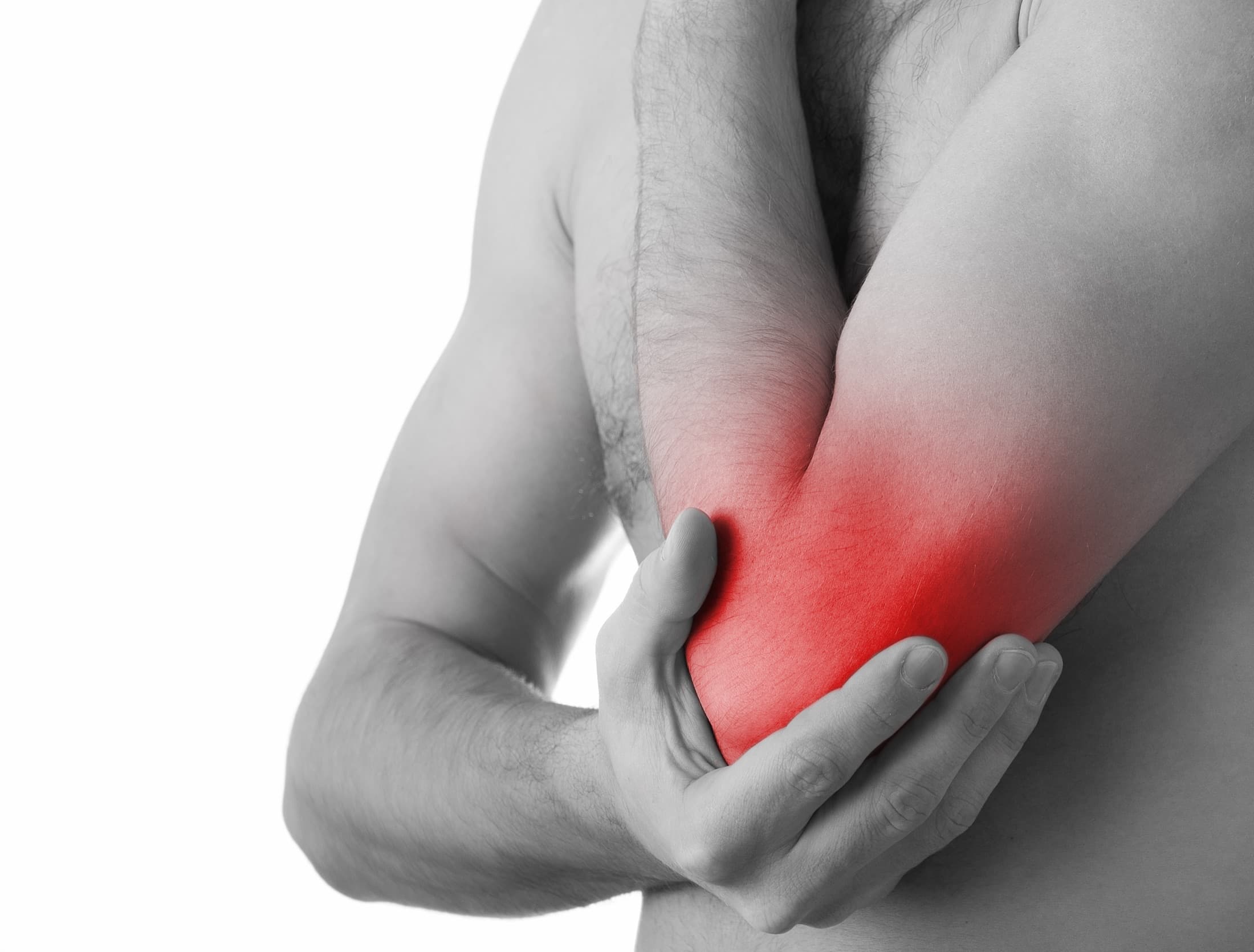

Under women's health, treatment during chemotherapy is scheduled around your infusion calendar and focuses on nausea, appetite, sleep, and energy, with acupuncture at P6 and points on the abdomen and legs to settle the stomach. Chinese herbal medicine is used cautiously here and only with your oncology team's knowledge, because some herbs can interact with chemotherapy drugs; whole food nutrition, built around what you can tolerate, does much of the work between visits.
For treatment-related pain, the pain approach applies as it does after surgery or injury: acupuncture to stimulate endorphin release and calm the nervous system, with attention to neuropathy in the hands and feet when it is present. How many sessions back pain takes gives a sense of how a pain course is paced.
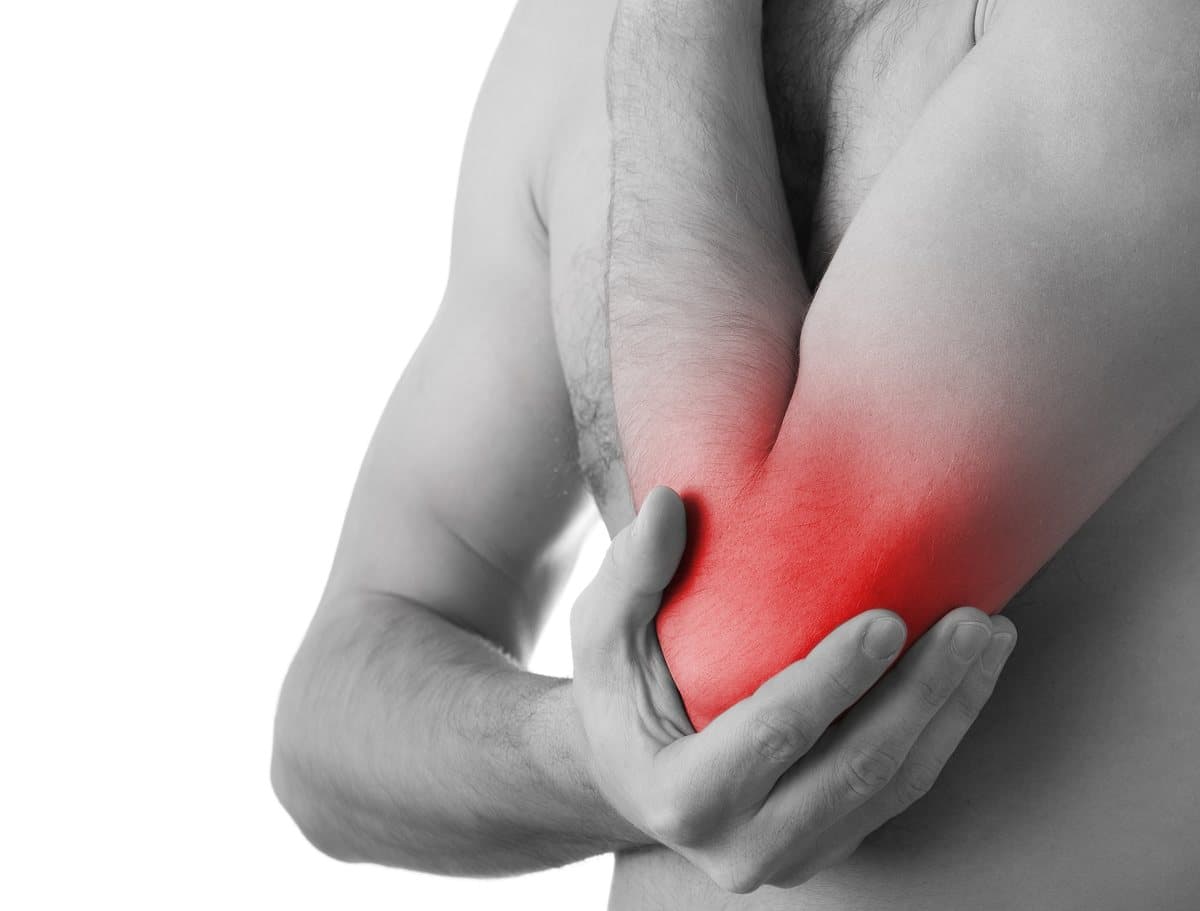
The evidence for nausea is real. The National Center for Complementary and Integrative Health notes that stimulation of the P6 acupoint, by needling or acupressure, reduces chemotherapy-induced nausea and vomiting, and it is among the uses of acupuncture with the most consistent trial support. Evidence for chemotherapy-related fatigue, pain, and neuropathy is smaller and more mixed, with several trials reporting benefit and reviews calling for larger studies.
The rules we work by: acupuncture does not treat cancer or replace any part of your oncology plan; your oncologist knows you are receiving it; herbs are used only with the team's agreement; and needling is avoided when blood counts are low or on a limb with lymphedema. Dr. Schiff has treated women's health for over 20 years, and what happens at a first visit describes where care begins. When the stress of it all is the heaviest part, stress and low mood has its own page.
Listed in the order we most often recommend them for nausea and pain during chemotherapy. Your first visit decides which actually fits your pattern and your goals.
Relief of chemotherapy nausea and pain is one of the reasons women add acupuncture to their overall health strategy.
Treatment-related pain is approached the same way as post-surgical recovery.
Yes, with reasonably consistent evidence. Stimulation of the P6 (Neiguan) acupoint on the inner forearm has been shown in trials to reduce chemotherapy-induced nausea and vomiting, and it is one of the better-supported uses of acupuncture. It works alongside, not instead of, your antiemetic medication.
Generally yes, with precautions: needling is avoided when blood counts are low, on a limb with lymphedema, and near tumor sites, and your oncologist should know you are receiving it. Sessions are scheduled around your infusion calendar.
Only with your oncology team's agreement. Some herbs can interact with chemotherapy drugs, so herbal medicine is used cautiously here and nutrition built around what you can tolerate does more of the work between visits.
No. Acupuncture treats the side effects of treatment, nausea, pain, fatigue, and stress, and supports appetite and energy through the course. Your oncologist manages the cancer, and nothing here replaces any part of that plan.
Learn More
A first visit runs 60 to 90 minutes: a full history, a review of your labs, tongue and pulse examinations, and usually a first treatment of 20 to 30 minutes.
Read the answerLearn More
Most trials that showed benefit for chronic low back pain used 8 to 12 sessions over 6 to 12 weeks. Improvement often begins by the third or fourth session.
Read the answerRelated concern
Rebalance the chemistry behind the feeling.
Explore the concern

Over 25 years of serving patients in South Florida. Tell us what has been going on and we will work out the pattern behind it together.
All visits are by appointment only, in the office, at your clinic, at home, or by video.