Menstrual Disorders
Dysmenorrhea is treated at the source by supporting blood flow and hormonal balance, not by masking the pain each month.
Cramps that cost you a day or two every month are common. They are not something you have to plan your life around.
Dysmenorrhea, the medical term for painful periods, comes in two kinds: primary, with no pelvic disease behind it, and secondary, caused by endometriosis, fibroids, or adenomyosis. Chinese medicine treats both by working on the pattern behind the pain across the whole cycle, not only on the days it hurts.
Reviewed by Dr. Susan G. Schiff, A.P., DOM. Last reviewed October 2026.
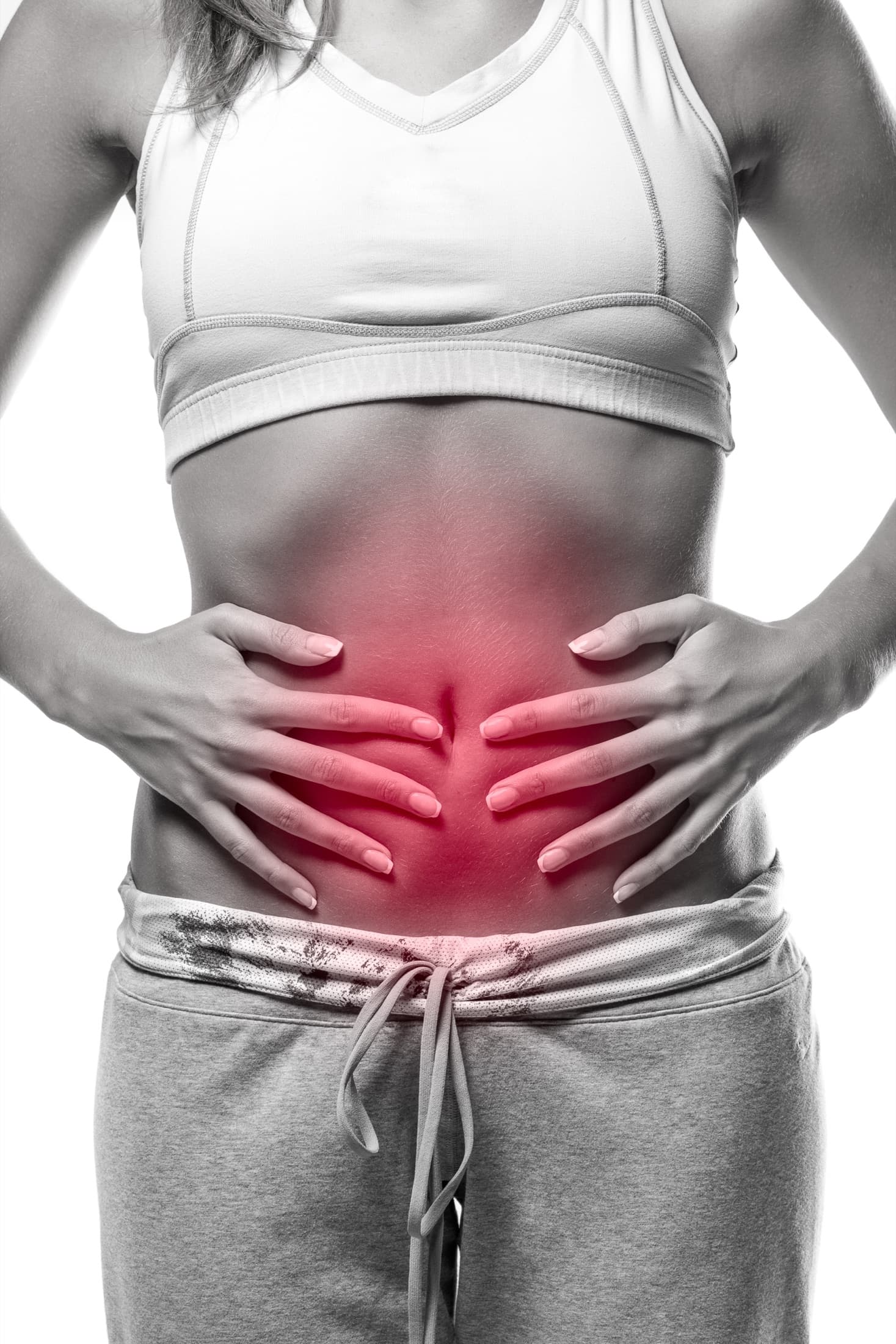
Primary dysmenorrhea is driven by prostaglandins, the compounds that make the uterus contract to shed its lining. Too much of them and the contractions become cramps, often with nausea, headache, and back pain. Secondary dysmenorrhea has a structural cause, and pain that has worsened over the years, pain between periods, or pain with intercourse is a reason to see your physician before anything else.
In Chinese medicine, menstrual pain is read as Qi and blood failing to move freely through the uterus: stagnation, cold, or deficiency, each with its own signs. Sharp pain with clots points one way; dull, dragging pain with fatigue points another. The old menstrual disorders page describes the aim as supporting the endocrine glands that balance estrogen and progesterone, the circulation that carries them, and the liver function that clears them.
The pattern is treated across the month. Relief on the days you bleed is the result, not the target.
Dysmenorrhea is treated at the source by supporting blood flow and hormonal balance, not by masking the pain each month.
For the cramps themselves, the same pain-relief approach used for back and headache pain applies.
Under menstrual disorders, treatment is a weekly series timed to the cycle, with a Chinese herbal formula prescribed to your pattern and whole food nutrition in support. Acupuncture at acupoints on the lower abdomen, sacrum, and lower legs is used to move Qi and blood and to calm the nervous system; needling stimulates the release of endorphins and shifts the autonomic balance, which is the physiological side of the same story. Our article on painful periods covers the mechanism in more detail.
When the immediate need is relief from the cramps, the pain approach applies: acupuncture has been used for menstrual pain for thousands of years alongside back, neck, and headache pain, and a session during the worst days can be part of the plan while the cycle work continues underneath.

A 2016 Cochrane review of acupuncture for primary dysmenorrhea found the evidence too low in quality to draw a firm conclusion, while several individual trials since report less pain and less reliance on painkillers after a course of treatment. That is an honest summary: promising, not proven. What is not in question is that acupuncture is safe and does not interfere with ibuprofen, hormonal contraception, or any other treatment your physician has prescribed.
If your pain is secondary, the cause leads. Endometriosis and fibroids have their own pages because the plan differs, and a physician's diagnosis, usually by ultrasound and sometimes laparoscopy, comes first. Dr. Schiff has treated women's health for over 20 years and reads the difference between the two at the first visit.
Listed in the order we most often recommend them for painful periods. Your first visit decides which actually fits your pattern and your goals.
Dysmenorrhea is treated at the source by supporting blood flow and hormonal balance, not by masking the pain each month.
For the cramps themselves, the same pain-relief approach used for back and headache pain applies.
Several trials report less pain and less painkiller use after a course of acupuncture, but a Cochrane review judged the overall evidence too weak to be conclusive. We treat it as promising support that works alongside, not instead of, whatever your physician has prescribed.
Primary has no pelvic disease behind it and is driven by prostaglandins. Secondary is caused by a condition such as endometriosis, fibroids, or adenomyosis. Pain that has worsened over the years, pain between periods, or pain with intercourse suggests secondary and warrants a physician's evaluation first.
Across the month, not only when it hurts. Treatment is typically weekly and timed to the phases of the cycle, because the pattern that produces the pain builds in the weeks before the period. Some women add a session during the worst days for relief.
Yes. Acupuncture does not interfere with painkillers or hormonal contraception. Tell us what you take so any herbal formula is chosen with it in mind, and keep your physician informed about the herbs.
Learn More
For primary dysmenorrhea, trials report less pain and less use of painkillers, though a Cochrane review called the evidence insufficient.
Read the answerLearn More
Acupuncture can reduce endometriosis pain for some patients and is used alongside medical management. A Cochrane review found only one adequate trial.
Read the answerRelated concern
Pain, heavy bleeding, and fertility.
Explore the concern

Over 25 years of serving patients in South Florida. Tell us what has been going on and we will work out the pattern behind it together.
All visits are by appointment only, in the office, at your clinic, at home, or by video.