Menstrual Disorders
Fibroids and cysts are read as a stagnation pattern, with acupuncture and herbs aimed at the symptoms and the cycle.
Fibroids are so common they are almost normal. The symptoms do not have to be.
Uterine fibroids occur in up to half of women over 40, and functional ovarian cysts come and go with the cycle in most women at some point. Chinese medicine reads both as a stagnation pattern and treats the symptoms they cause: heavy bleeding, pressure, pain, and an irregular cycle. It does not remove them, and your physician's monitoring continues throughout.
Reviewed by Dr. Susan G. Schiff, A.P., DOM. Last reviewed October 2026.
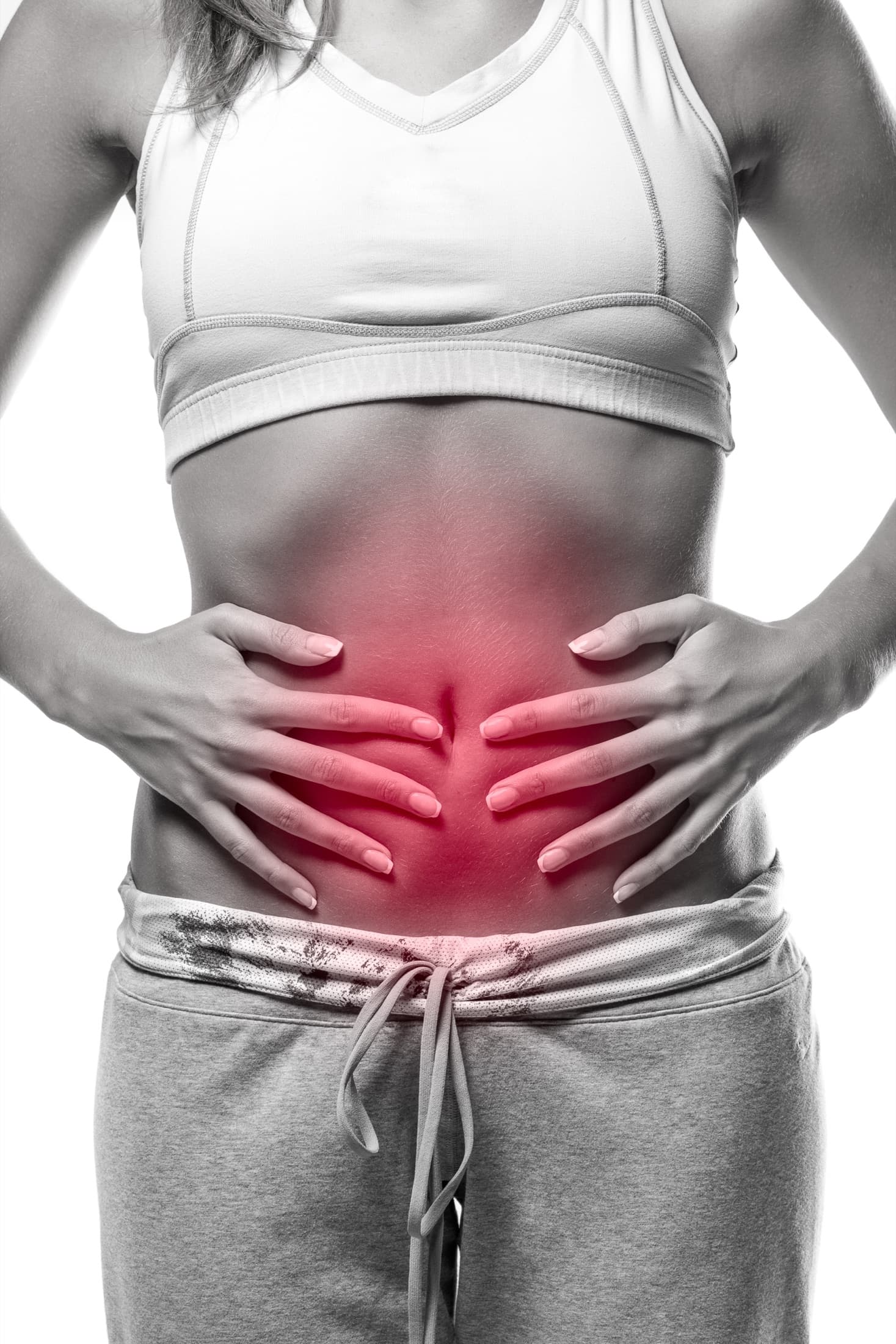
Fibroids, also called myomas or leiomyomas, are solid muscle-tissue growths in the uterine wall. The old menstrual disorders page notes they are so frequent, in up to half of women over 40, that they could be considered a normal irregularity, and that they are the number one reason American women have hysterectomies. Depending on size and location they cause heavy or prolonged periods, pelvic pressure, and sometimes fertility problems, or nothing at all.
Ovarian cysts are fluid-filled sacs on the ovary. Most are functional, forming as part of ovulation and resolving within a cycle or two; some, like endometriomas or dermoid cysts, persist and need a physician's assessment. In Chinese medicine, both fibroids and cysts fall under the heading of abdominal masses from Qi and blood stagnation or phlegm-damp accumulation, in plain words circulation and fluid that have stopped moving.
Treatment works on the pattern and the symptoms. Size and growth are your physician's to monitor.
Fibroids and cysts are read as a stagnation pattern, with acupuncture and herbs aimed at the symptoms and the cycle.
Fibroids are common in pregnancy too, and acupuncture is used for the discomfort they cause.

Under menstrual disorders, treatment is a weekly series with a Chinese herbal formula prescribed to move Qi and blood or resolve phlegm-damp, whole food nutrition in support, and acupuncture aimed at heavy flow, pain, and the regularity of the cycle. The old page describes the approach as supporting the glands that balance estrogen and progesterone, the circulation that carries them, and the liver function that clears excess hormones, which matters because fibroids grow under estrogen.
Fibroids are common in pregnancy too, where they can cause discomfort as the uterus grows. Pregnancy care uses acupuncture for that discomfort with the acupoints and formulas contraindicated in pregnancy avoided; acupuncture during pregnancy has a good safety record when the practitioner is trained in it.

There is no good evidence that acupuncture or Chinese herbs shrink fibroids or cysts, and we will not suggest there is. What small studies and long clinical use support is relief of heavy bleeding, cramping, and pressure, and a steadier cycle. If a fibroid is large, growing, or causing anemia, or a cyst persists or is complex on ultrasound, your gynecologist's options, from medication to myomectomy, lead, and we support recovery around them.
The decision rule: get the ultrasound, know what you have and how big it is, and keep the follow-up schedule your physician sets. Between those visits, treatment here targets what you feel. When the reason you found the fibroid is that you are trying to conceive, the same care continues as fertility support, and Dr. Schiff has treated women's health for over 20 years.
Listed in the order we most often recommend them for fibroids and ovarian cysts. Your first visit decides which actually fits your pattern and your goals.
Fibroids and cysts are read as a stagnation pattern, with acupuncture and herbs aimed at the symptoms and the cycle.
Fibroids are common in pregnancy too, and acupuncture is used for the discomfort they cause.
There is no good evidence that they do, and we do not claim it. Treatment is aimed at the symptoms fibroids cause, heavy bleeding, cramping, and pressure, and at the regularity of the cycle, while your physician monitors size and growth.
Most functional cysts resolve on their own within a cycle or two. Cysts that persist, grow, or look complex on ultrasound need a physician's assessment. Chinese medicine treats the stagnation pattern behind recurrent functional cysts and the pain they cause.
Yes, with a practitioner trained in pregnancy care. Certain acupoints and herbal formulas are avoided in pregnancy, and the practitioner needs to know you are pregnant from the first visit. Treatment focuses on the discomfort as the uterus grows.
It depends on size and location. Fibroids that distort the uterine cavity are more likely to interfere with implantation; small ones in the wall often do not. A reproductive endocrinologist can assess yours, and fertility care here continues alongside that assessment.
Learn More
Acupuncture can reduce endometriosis pain for some patients and is used alongside medical management. A Cochrane review found only one adequate trial.
Read the answerLearn More
Yes, with a practitioner trained in pregnancy care who avoids a small set of points. The best evidence is for nausea, using the P6 point, and for back pain.
Read the answerRelated concern
Pain, heavy bleeding, and fertility.
Explore the concern

Over 25 years of serving patients in South Florida. Tell us what has been going on and we will work out the pattern behind it together.
All visits are by appointment only, in the office, at your clinic, at home, or by video.