Fertility
Dr. Schiff reads your fertility pattern, then uses acupuncture and herbs to support blood flow to the uterus and regular ovulation.
When the months keep passing, the question is not what to try next but what pattern is behind it.
Most couples who come to us have already tracked cycles, bought the tests, and heard the word unexplained. Chinese medicine starts somewhere else: with the pattern behind the cycle, the sleep, the digestion, and the stress that a lab panel does not measure, and with a plan built to the roughly 90 days a follicle takes to mature.
Reviewed by Dr. Susan G. Schiff, A.P., DOM. Last reviewed October 2026.
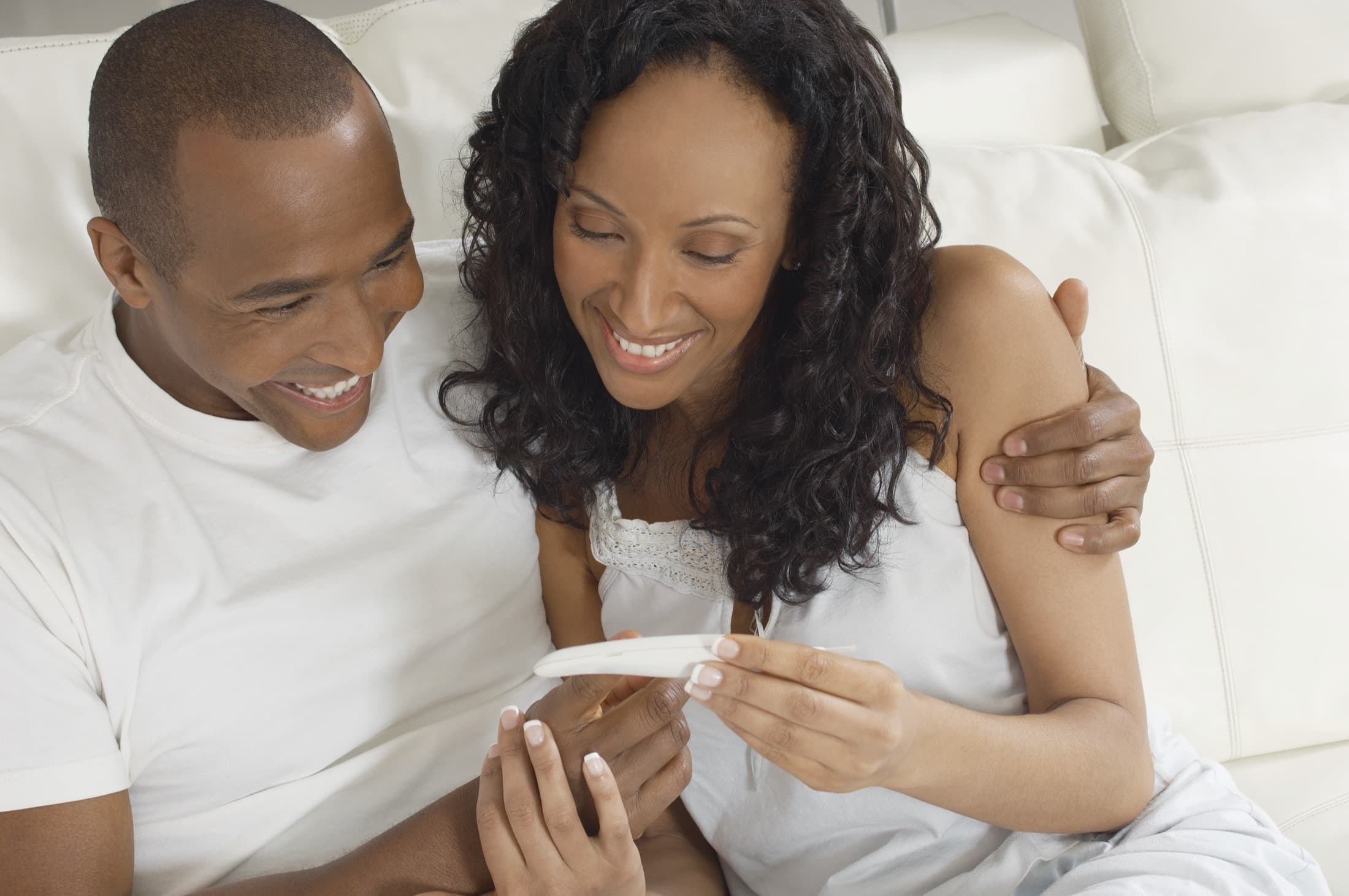
Conception depends on a chain of events that all have to line up: a follicle matures over about three months, ovulation releases the egg, the uterine lining thickens under progesterone, and an embryo implants. Chronic stress, irregular cycles, a thin lining, and semen quality can each break a link, and about 40 to 50 percent of cases involve a male factor.
In Chinese medicine, infertility is read as an imbalance of Qi and blood affecting one or more organ systems. A woman needs an adequate supply of blood to sustain a normal cycle, to implant an embryo in the uterine lining, and to support a growing pregnancy. The practitioner works from a pattern differentiation, a diagnosis in the medicine's own terms, such as kidney yin deficiency (a depleted, overheated system with short cycles) or liver qi stagnation (a stress-driven pattern with irregular cycles and premenstrual tension).
The pattern decides the treatment: which acupoints, which herbal formula, and which foods. Two patients with identical lab results can leave with different plans.
Dr. Schiff reads your fertility pattern, then uses acupuncture and herbs to support blood flow to the uterus and regular ovulation.
When cycles, sleep, or stress are part of the picture, the whole-body plan comes first.
Sperm count and motility account for a large share of infertility, so both partners are assessed.

Acupuncture acts on the systems that regulate ovulation rather than on the egg itself. Needling at acupoints on the lower abdomen and sacrum has been measured to increase blood flow in the uterine arteries, and a course of treatment lowers the stress hormone cortisol, which suppresses the hypothalamic-pituitary-ovarian (HPO) axis when it stays high. Our fertility care is planned as a weekly series over about three months, with a Chinese herbal formula prescribed to your pattern and whole food nutrition between visits.
Because the picture is rarely one organ system, we look at the whole cycle and the whole person. Irregular cycles, painful periods, and poor sleep are treated under women's health as part of the same plan, and when semen parameters are part of the diagnosis, men's health care addresses count and motility on the roughly 74-day timeline sperm take to develop.

The evidence is mixed and we say so. Acupuncture may help regulate ovulation, particularly when cycles are irregular or stress-driven, but no trial has shown it raises natural pregnancy rates on its own for every diagnosis. It is a reasonable first step for unexplained infertility and irregular cycles, and an adjunct, not a replacement, when a physician has identified blocked tubes, severe male factor, or another structural cause.
Timing matters more than most patients expect. Starting three months before you begin trying gives one full round of follicle development under treatment. If IVF or IUI is already planned, the same lead time applies and the plan shifts to acupuncture for IVF. Dr. Schiff has treated fertility for over 20 years and works alongside the reproductive endocrinologists in South Florida, so nothing here delays the medical workup.
Listed in the order we most often recommend them for trouble conceiving. Your first visit decides which actually fits your pattern and your goals.
Dr. Schiff reads your fertility pattern, then uses acupuncture and herbs to support blood flow to the uterus and regular ovulation.
When cycles, sleep, or stress are part of the picture, the whole-body plan comes first.
Sperm count and motility account for a large share of infertility, so both partners are assessed.
Ideally about three months before you start trying, or as soon as you decide to add it. The follicle that ovulates this month began maturing roughly 90 days ago, so a weekly series over that window gives treatment one full cycle of follicle development to work with. Starting later still helps with stress and cycle regularity; it simply has less lead time.
Yes. Male factors contribute to roughly 40 to 50 percent of infertility cases, and a semen analysis is a simple test to ask your physician for. Sperm take about 74 days to develop, so any plan to improve count or motility runs on the same three-month timeline as the female side.
No. Acupuncture and Chinese herbal medicine support, and do not replace, care from your physician. Dr. Schiff works closely with the reproductive endocrinologists in South Florida, and if a structural cause such as blocked tubes is found, the medical plan leads and we support it.
A long conversation. We go through your cycle history, any labs you have, sleep, digestion, energy, and stress, and use the diagnostic methods of Chinese medicine, such as reading the tongue and pulse, to identify the pattern behind the picture. From that comes a plan of acupuncture, herbal medicine, and nutrition.
Learn More
Acupuncture supports fertility through the stress response, blood flow to the ovaries and uterus, and the HPO axis, as a weekly series over three months.
Read the answerLearn More
Start about three months before you plan to conceive, because the egg released in any cycle began maturing roughly 90 days earlier.
Read the answerRelated concern
Support the hormones that regulate ovulation.
Explore the concern

Over 25 years of serving patients in South Florida. Tell us what has been going on and we will work out the pattern behind it together.
All visits are by appointment only, in the office, at your clinic, at home, or by video.