Fertility
Elevated FSH is the classic dry pattern in Chinese medicine, treated by nourishing blood and yin rather than forcing stimulation.
The numbers describe reserve, not the quality of this cycle. That is where the work is.
A high day-three FSH, a low AMH, or a retrieval that yielded fewer eggs than hoped all point to the same thing: diminished ovarian reserve. Chinese medicine cannot add eggs, and we will not suggest it can. What it can do is support the three months in which the eggs you do have mature.
Reviewed by Dr. Susan G. Schiff, A.P., DOM. Last reviewed October 2026.

Follicle-stimulating hormone rises when the ovaries need more signal to recruit a follicle, so an elevated FSH on cycle day three, or a low anti-Müllerian hormone (AMH), suggests a smaller remaining pool. Reserve declines with age for everyone, and faster for some. It predicts how many eggs a stimulated cycle may yield; it says less about whether any one egg is chromosomally normal.
The old fertility page describes this presentation as the dry type: dry skin, eyes, and hair, often thirsty and hot, night sweats, short cycles or light periods, restless sleep, and on the Western side elevated FSH, estrogen and progesterone imbalance, recurrent miscarriage, and poor response to stimulation drugs. In Chinese medicine terms it is kidney yin deficiency, a depleted and overheated system, and the treatment principle is to nourish yin and blood rather than to push.
Egg quality is set during folliculogenesis, the roughly 90-day maturation of a follicle. That window is the target.
Elevated FSH is the classic dry pattern in Chinese medicine, treated by nourishing blood and yin rather than forcing stimulation.
Poor response to stimulation drugs is one of the main reasons patients add acupuncture to an IVF cycle.
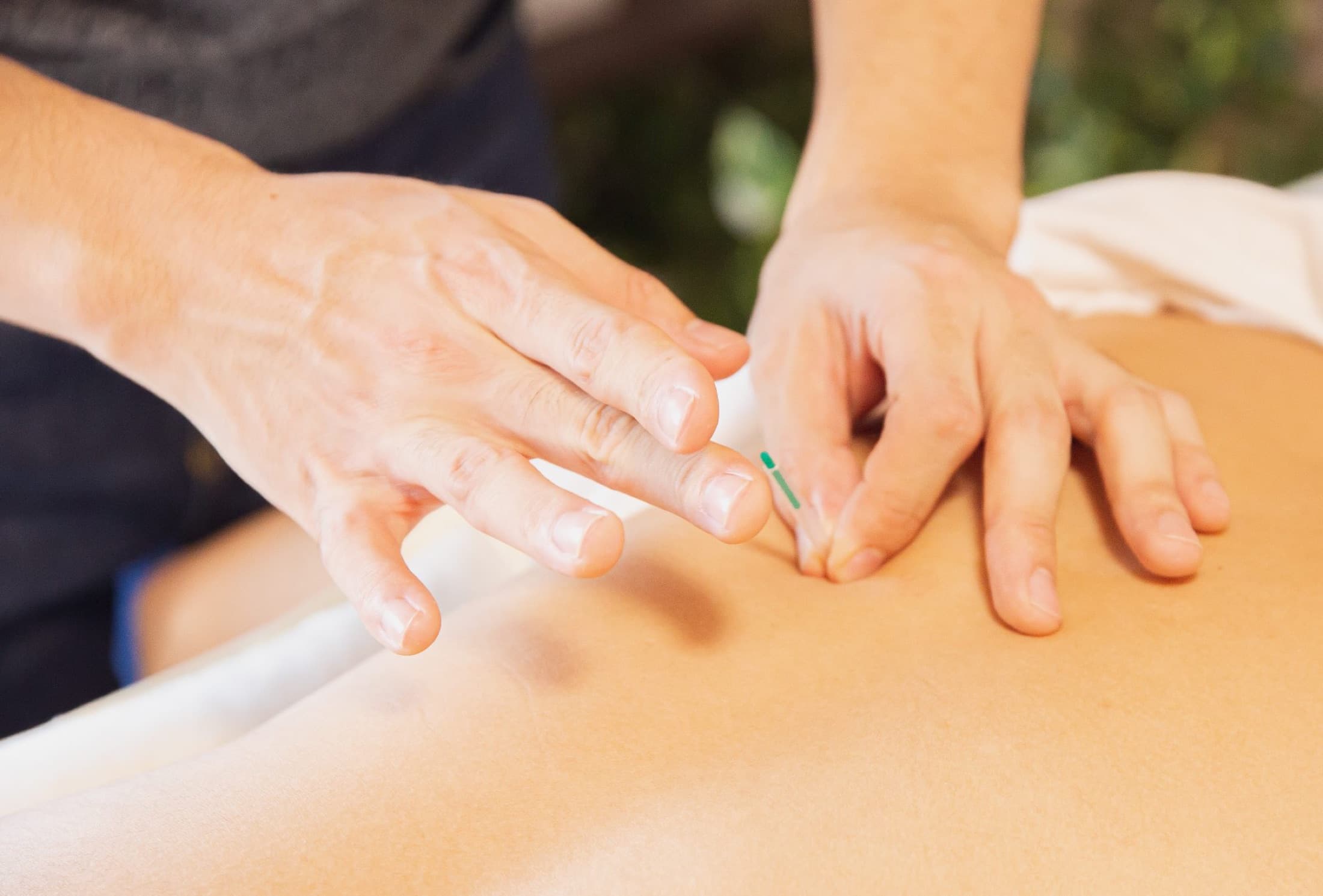

Fertility care for this pattern runs as a weekly series over about three months, one full round of follicle development, with a Chinese herbal formula chosen to nourish yin and blood and whole food nutrition to match. Acupuncture at acupoints on the lower abdomen and sacrum has been measured to increase blood flow in the uterine and ovarian arteries, and a course of treatment lowers cortisol; the aim is to give the follicles that are maturing the best environment the body can provide.
When IVF is the plan, acupuncture for IVF picks up the same work: preparation before stimulation, sessions once or twice a week through it, and treatment around transfer. Poor response to stimulation is one of the most common reasons patients add acupuncture to a cycle, and the preparation months are where it has the most room to act.
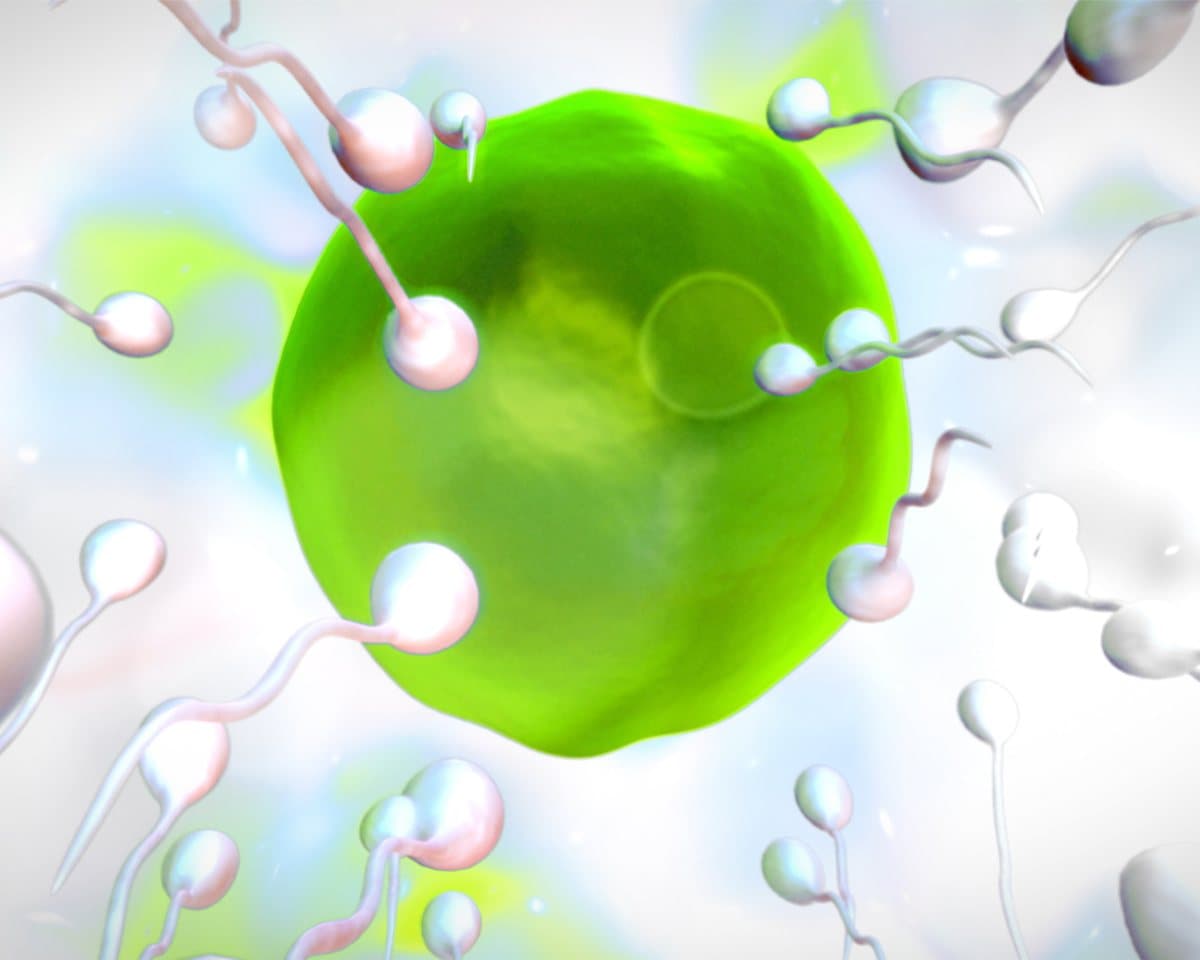
No treatment, medical or otherwise, has been shown to raise AMH in a meaningful way, and FSH varies from cycle to cycle on its own, so a single better number after treatment is not proof of anything. Small studies suggest acupuncture may improve response to stimulation and lower stress during a cycle; there is no large trial showing more eggs or higher live birth rates from acupuncture in women with low reserve. How acupuncture supports fertility lays out what is and is not known.
The honest decision rule: if your reproductive endocrinologist recommends moving quickly to IVF because of age or reserve, do not delay it for a course of acupuncture. Start both. Dr. Schiff has treated fertility for over 20 years, is board certified by the American Board of Oriental Reproductive Medicine, and works alongside the reproductive endocrinologists in South Florida.
Listed in the order we most often recommend them for elevated fsh or low ovarian reserve. Your first visit decides which actually fits your pattern and your goals.
Elevated FSH is the classic dry pattern in Chinese medicine, treated by nourishing blood and yin rather than forcing stimulation.
Poor response to stimulation drugs is one of the main reasons patients add acupuncture to an IVF cycle.
Not in any proven way. FSH varies cycle to cycle on its own, and no treatment has been shown to raise AMH meaningfully. Treatment is aimed at the environment in which your remaining follicles mature, at stress, and at response to stimulation, not at changing the reserve numbers themselves.
No. If your physician recommends moving to IVF because of age or reserve, time matters more than sequence. Acupuncture runs alongside a cycle, with the preparation months before stimulation being where it has the most room to work.
It is the old fertility page's plain-language name for kidney yin deficiency: a depleted, overheated system with dry skin and eyes, thirst, night sweats, short or light cycles, and restless sleep. On the Western side it lines up with elevated FSH and poor response to stimulation. The treatment principle is to nourish rather than push.
We plan in three-month blocks because a follicle takes about 90 days to mature. Weekly acupuncture, a herbal formula prescribed to your pattern, and whole food nutrition run through that window, timed to end before stimulation if IVF is scheduled.
Learn More
Acupuncture supports fertility through the stress response, blood flow to the ovaries and uterus, and the HPO axis, as a weekly series over three months.
Read the answerLearn More
The evidence is mixed: a 2002 trial found higher pregnancy rates around transfer, but the 2018 JAMA trial found no difference in live births. Anxiety is lower.
Read the answerRelated concern
Before, during, and after your cycle.
Explore the concern

Over 25 years of serving patients in South Florida. Tell us what has been going on and we will work out the pattern behind it together.
All visits are by appointment only, in the office, at your clinic, at home, or by video.